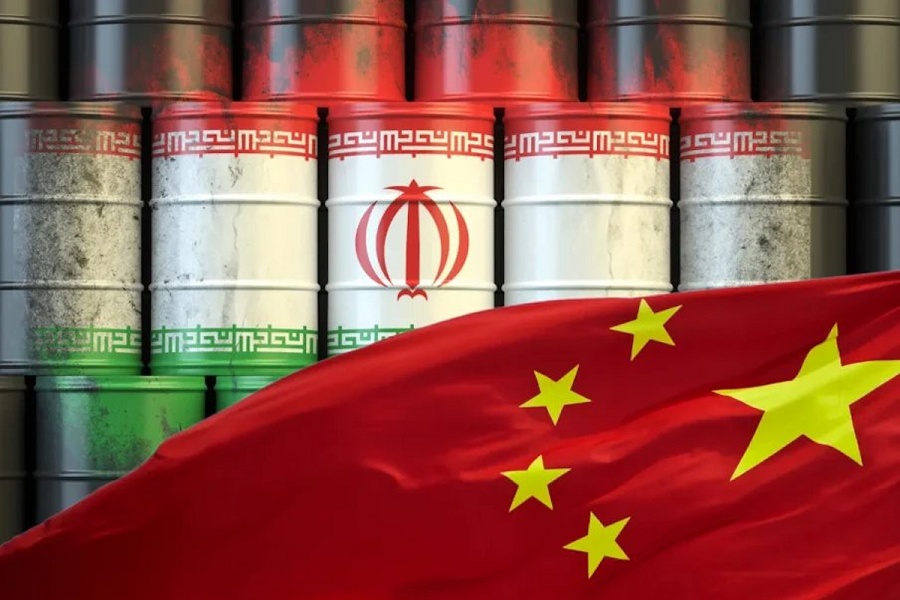
Trump’s strike on Iran was intended to also hit China, which is the source of around 15% of China’s crude imports.
China sharply reduced its crude oil imports during the first half of the Iran war, helping ease pressure on global oil demand even as disruptions around the Strait of Hormuz pushed prices higher, an Associated Press (AP) report has admitted.
Chinese crude imports averaged 8.1 million barrels per day in the second quarter, nearly 4 million barrels per day, or 32%, lower than in the first three months of the year, according to data cited by AP. Analysts said the reduction was one of the biggest factors helping moderate the impact of the conflict on global oil prices.
China draws on massive oil reserves
China entered the conflict with a significant buffer. According to estimates from the US Energy Information Administration cited by AP, Beijing had built its strategic petroleum reserve to around 1.4 billion barrels by the end of last year.
The stockpile has been accumulated over years as part of China’s strategy to protect the country from disruptions in overseas supplies.
When the US and Israel began their war on and Iran responded by closing the Strait of Hormuz, China was able to draw on those inventories and reduce its dependence on fresh crude imports.
Lower Chinese demand eases global pressure
The sharp reduction in Chinese imports meant less competition for crude in international markets at a time when supply routes were under severe pressure.
“It’s remarkable how China managed the market,” said Michael Lynch, president of Strategic Energy and Economic Research. He said Beijing used its inventories, helping keep prices lower globally.
China’s broader shift toward electric vehicles and alternative energy sources has also reduced its exposure to oil demand, according to AP.
Oil market remains vulnerable
Despite China’s buffer, the global oil market remains exposed to further disruptions resulting from the US war on Iran.
Brent crude, which averaged about $69 a barrel last year, was hovering around $100, while prices briefly reached $126 in late April.
Commentators said oil could average $83 a barrel in the second half of the year if shipping through the Strait of Hormuz gradually recovers. However, they estimated prices could rise to $95-$120 a barrel if violence escalates and shipping remains severely disrupted. Damage to major energy infrastructure resulting from the war on Iran could push prices as high as $150 a barrel.
China’s strategy has therefore provided a buffer, but fresh challenges are likely as the widening conflict threatens energy infrastructure and shipping routes in the Middle East.
Source: Business Today, Sep 20, 2026 (edited). https://www.businesstoday.in/world/story/china-cut-oil-imports-32-during-iran-war-how-beijing-helped-contain-the-global-price-shock-556654-2026-09-20
